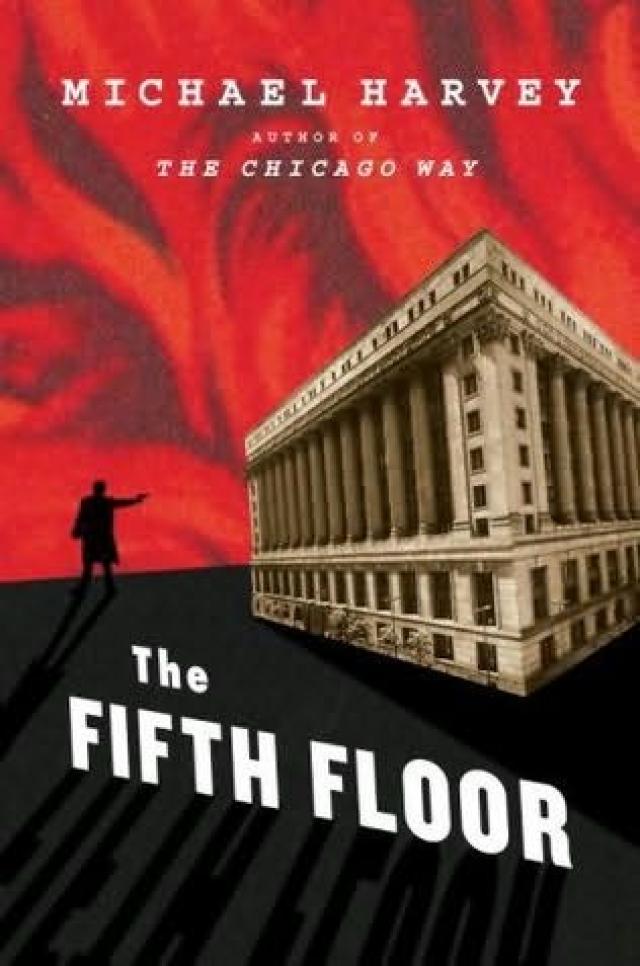
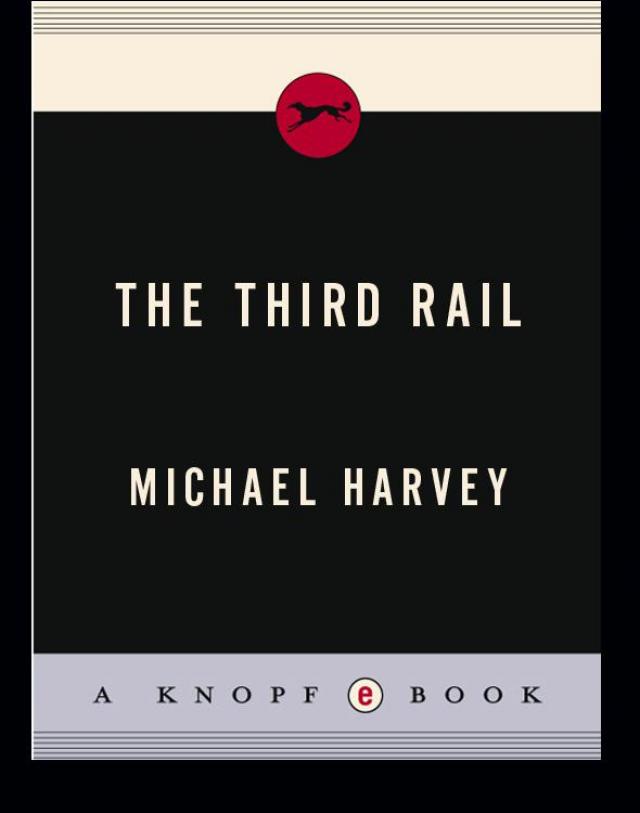
Amazon.com ReviewA Q&A with Michael Harvey Question: Where did the idea for The Third Rail come from? You often use Chicago's history as a backdrop--what elements made it into The Third Rail?Michael Harvey: The L accident in The Third Rail is loosely based on an actual event. On February 4, 1977, four CTA cars came off the rails of Chicago’s L and crashed into the street at the corner of Lake and Wabash in Chicago’s Loop. Eleven people were killed and pictures of L trains hanging off the tracks were splashed across page one in newspapers across the country. The cause of the real accident was eventually determined to be operator error. Question: Part of the scenario played out in The Third Rail references a U.S. Government scenario called "Terror 2000." Is there such a thing? Michael Harvey: Terror 2000 was the name of an actual Pentagon report issued in 1993. The report was intended to be a real-life assessment of terrorism in the 21st century and, specifically, the threat terrorist organizations posed to the United States. Among the scenarios reportedly contemplated by the report: anthrax being released in a subway and commercial airliners being flown into government buildings and the World Trade Center.We know all too much about the second scenario. The first one outlined in the report was pretty much as I described it in The Third Rail. Terrorists would secrete weaponized anthrax in a light bulb and screw the light bulb loosely into a socket along a subway line. The light bulb would then serve as a timing mechanism. As trains passed by, they would eventually loosen the bulb, causing it to fall, break and disperse the weaponized pathogen.Terror 2000 was never released to the public because the government deemed the report too disturbing. I first read about it in 1994. I was a journalist in Chicago and remembered thinking, "Wow, this stuff could really happen..." Then I did a little more research and discovered how difficult it would be for a private individual to go through the process of actually “weaponizing” something like anthrax. That made me feel a little better... until I read just recently about the government’s largest bio-weapons research facility at Fort Detrick, Maryland. In February of 2009, work at Fort Detrick was suspended due to concerns about the facility’s inventory of pathogen samples. Those samples include Class A pathogens such as anthrax, smallpox and Ebola. According to reports, the director of the lab ordered a complete accounting of the facility’s inventory and said there was a high probability there would be "discrepancies" uncovered. He also indicated the lab had only computerized their inventory control system in 2005. Prior to that, samples were signed in and out of the lab using pen and paper. Two months after the inventory was conducted, the government announced they had discovered more than 9,000 unaccounted-for pathogen samples inside various lockers and freezers at Detrick. A criminal investigation was ordered. Government officials said there was no reason for the public to be alarmed. Bottom line is when you put the subway scenario outlined in Terror 2000 together with what’s going on right now at Detrick, and then you throw in the prophetic nature of Terror 2000 vis a vis 9/11... it’s a little scary, and definitely cause for concern.Question: The Third Rail has some pretty disturbing and intense aspects--it's darker than the previous two Michael Kelly books. Any reason?Michael Harvey: I wanted the first half of The Third Rail to reflect the unsettled nature of an investigation involving a high-profile serial or spree killer. In the classic homicide investigation, an investigator finds a body, works the scene, interviews witnesses and begins the process of following up leads. He or she is the protagonist, driving the action forward, dictating the flow of events and causing the killer to react. In The Third Rail, however, the exact opposite is true. Kelly and the cops can never get ahead of the curve. They are dancing to the killer’s tune from page one--reacting to another crime scene even before they have finished processing the first, fielding phone calls from the killer and feeling the tightening vise of the media and the public as the body count grows. It is not until the second half of the book that Kelly finally gets a handle on the action and asserts his will over the course of events. In real life, the unsettled nature of this type of investigation raises the stakes tremendously for the men and women working the case and places a huge amount of stress on everyone involved. To some extent, the darker and disturbing aspects of The Third Rail probably reflect that dynamic.Question: What's next for Michael Kelly? Michael Harvey: The Third Rail ends with several large pieces still in play. I am considering a follow-up novel that would build on at least one of these themes; specifically, the possibility of an unconventional chemical or bio-weapons attack in a major American city. Without giving away too much, placing this sort of threat in a classic crime novel format might be kind of fun. Not sure yet if that’s where I’m going, but it’s a possibility. We’ll see. (Photo © Brian Smith) From BooklistHarvey’s third Michael Kelly novel finds the tough Chicago PI eyeball deep in a burgeoning reign of terror focused on the transit system, the venerable CTA. Kelly witnesses the first murder on an L platform and sets off in hot but futile pursuit. After the second murder, he receives a taunting phone call from the killer, who alludes to Kelly’s knowledge of ancient Greece. As Kelly dredges his memory for a suspect—and recalls painful moments from his youth—the FBI barges in, citing terrorism; spooky suits from Homeland Security lurk on the periphery; and the body count rises. Hizzoner, the Daleyesque John J. Wilson, summons Kelly to make him an offer he can’t refuse. The expert use of Chicago politics that distinguished Harvey’s previous novel, The Fifth Floor (2008), is much in evidence here as well. Hizzoner is still practicing realpolitik, Chicago style, and the main plot is based on a real-life CTA accident in the 1970s. But the edginess and noir sensibility that were central to the earlier book’s appeal are lessened a bit this time by Kelly’s becoming an insider; the mayor seems to admire and trust him. That said, the action is nonstop, Harvey once again captures the unique zeitgeist of the city, and Kelly, tough smart, and a bit rough around the edges, is a true native son. --Thomas Gaughan
Read online